
Spaying and neutering are critical aspects of responsible pet ownership. At Heartland Animal Hospital, we understand the importance of these procedures for both the health of your pets and the overall pet population. This article aims to provide you with essential information about spaying and neutering, including benefits, procedures, and what to expect.
We perform routine spay and neuters for canines and felines. Patients must come in for a physical exam to establish a Doctor and patient relationship and then a quote can be provided. If a patient is in heat, we ask that you wait 8 weeks (from the last day the patient bleeds) to schedule the spay. Otherwise an in heat charge will apply.
Surgery drop off is between 7:30am - 8:00am on your designated surgery day. Patients must be fasted (no food after midnight the night before surgery). Patients will receive anti-nausea medication prior to surgery, and will go home with an e-collar that MUST remain on for 14 days.
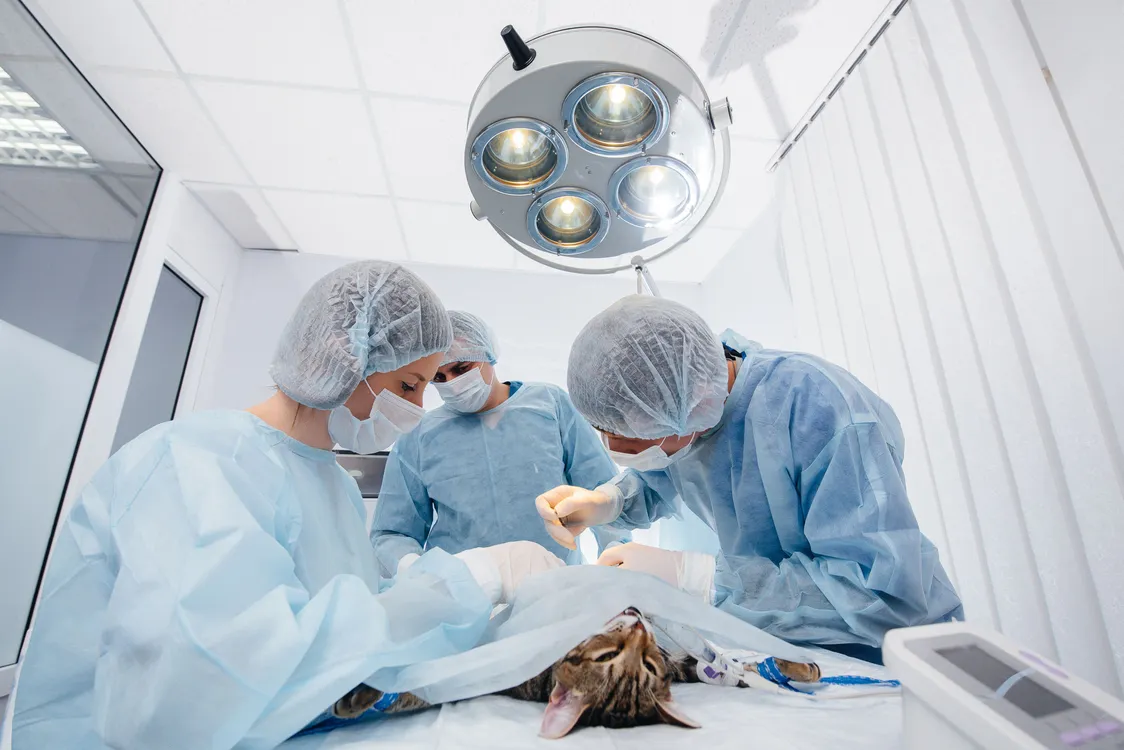
What is Spaying and Neutering?
Spaying refers to the surgical procedure performed on female pets, which involves the removal of the ovaries and the uterus. Neutering, on the other hand, is the procedure performed on male pets, involving the removal of the testicles. Both procedures are types of pet surgery that help prevent unwanted litters and can contribute to better health and behavior in pets.
Benefits of Spaying & Neutering
There are numerous benefits associated with spaying and neutering. First and foremost, these procedures help control the pet population. With so many animals in shelters and on the streets, spaying and neutering can significantly reduce the number of unwanted pets. Additionally, pet spaying can reduce the risk of certain reproductive cancers in female pets, while pet neutering can decrease aggressive behavior and certain health risks in male pets.
Regular veterinary check-ups and a wellness exam can help you determine the right time to schedule these procedures.
